Training day for the promotion and management of rural houses and tourist accommodation.

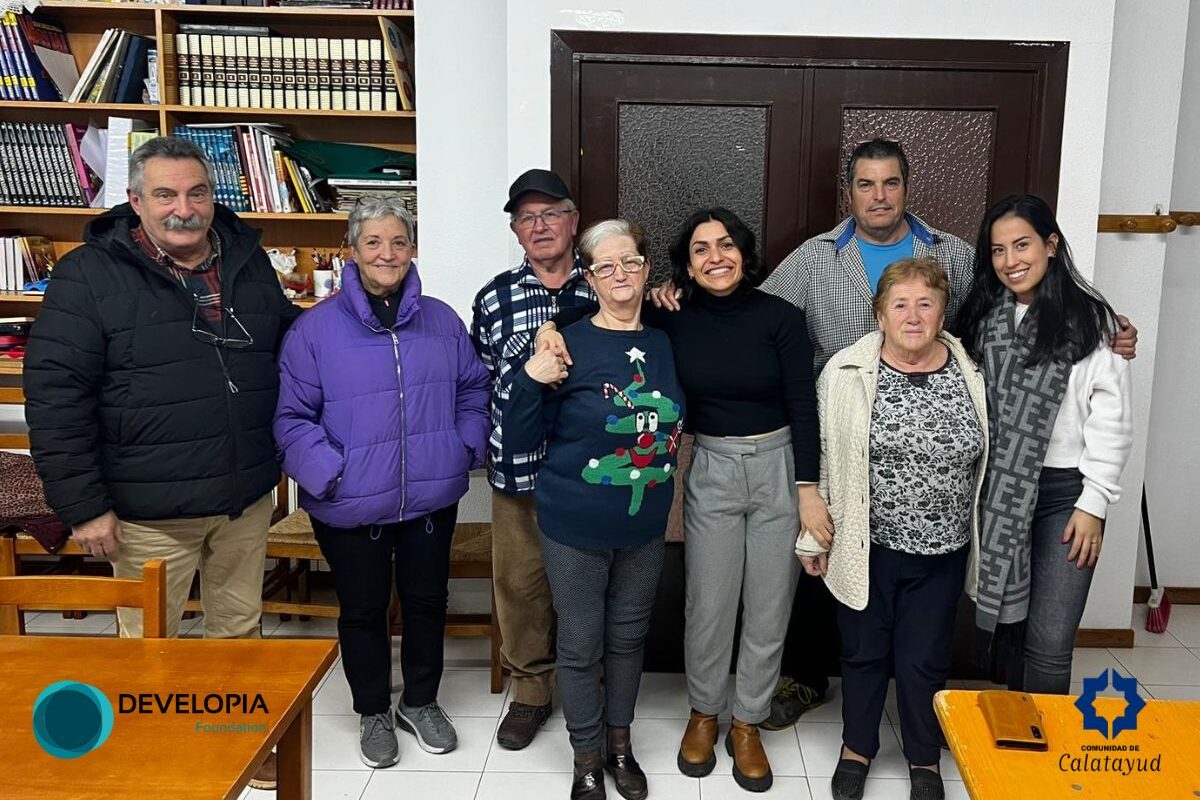
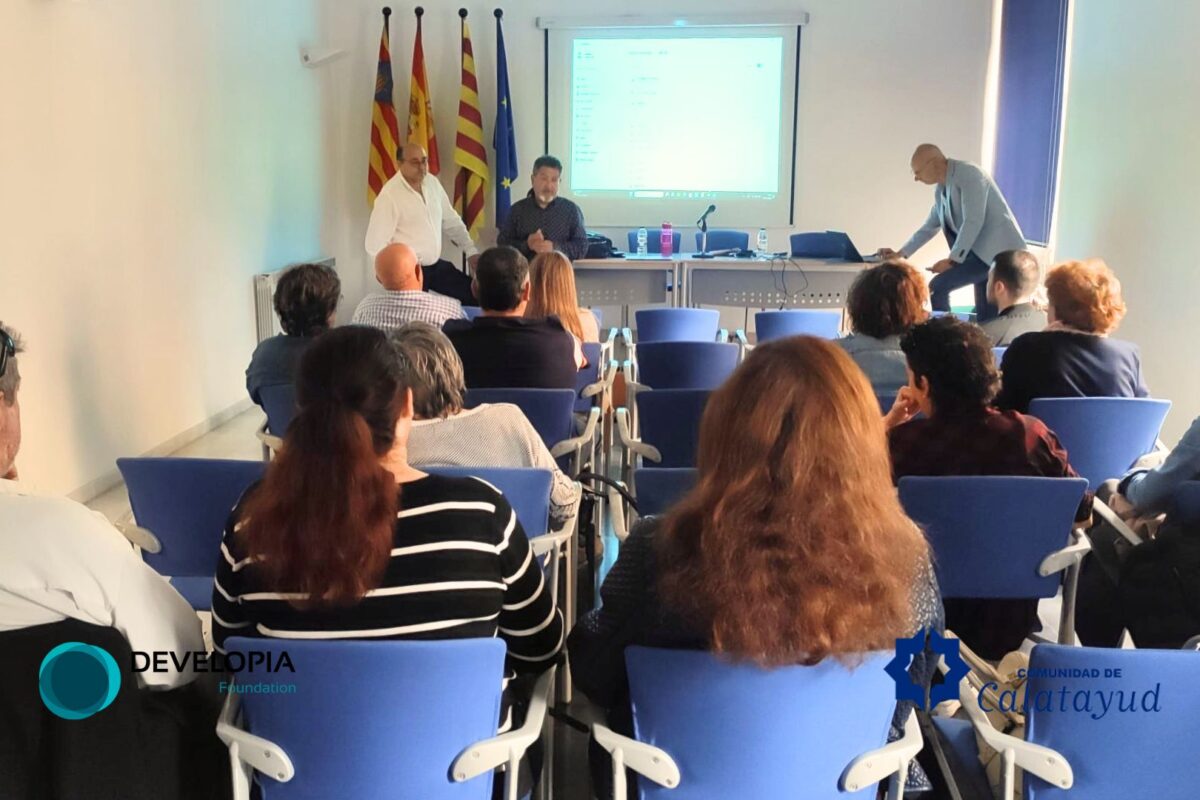
On May 21, a training session was organized for rural tourism sector managers in the Comarca de Calatayud, focusing on providing key strategies for the effective promotion and management of rural houses and tourist accommodations.

During the training, various topics were addressed, emphasizing the application of marketing strategies through the creation of personalized experiences. Among the digital strategies discussed were the use of booking platforms and social media to create valuable content through attractive images, enabling businesses to improve their positioning and strengthen connections with their guests. Additionally, the importance of reviews and online presence was highlighted as key elements to increase bookings and enhance the reputation of accommodations.

Another topic covered was the fundamental role of customer service throughout all stages of the tourist experience, from the first contact to follow-up after the stay. Details such as “welcome packs” and welcome letters were presented as tools to build customer loyalty and exceed expectations.

The session also underscored the importance of implementing sustainable actions, such as resource conservation, the use of renewable energies, and the adoption of other eco-friendly measures. These not only enhance the positioning of accommodations in the eyes of a more conscious tourism market but also increase the profitability of the businesses.

The event was notable for the interaction between participants and speakers, who shared experiences and concerns with their peers in the industry. This enriching exchange fostered networking in an atmosphere of collaborative learning, strengthening relationships and cohesion within the rural tourism community.

This initiative highlights the sector’s commitment to the economic development of the Comarca de Calatayud, promoting a model of sustainable, high-quality tourism that benefits both visitors and local communities.

#TourismTraining #SustainableRuralTourism #CharmingRuralHouses #MarketingStrategies #Networking
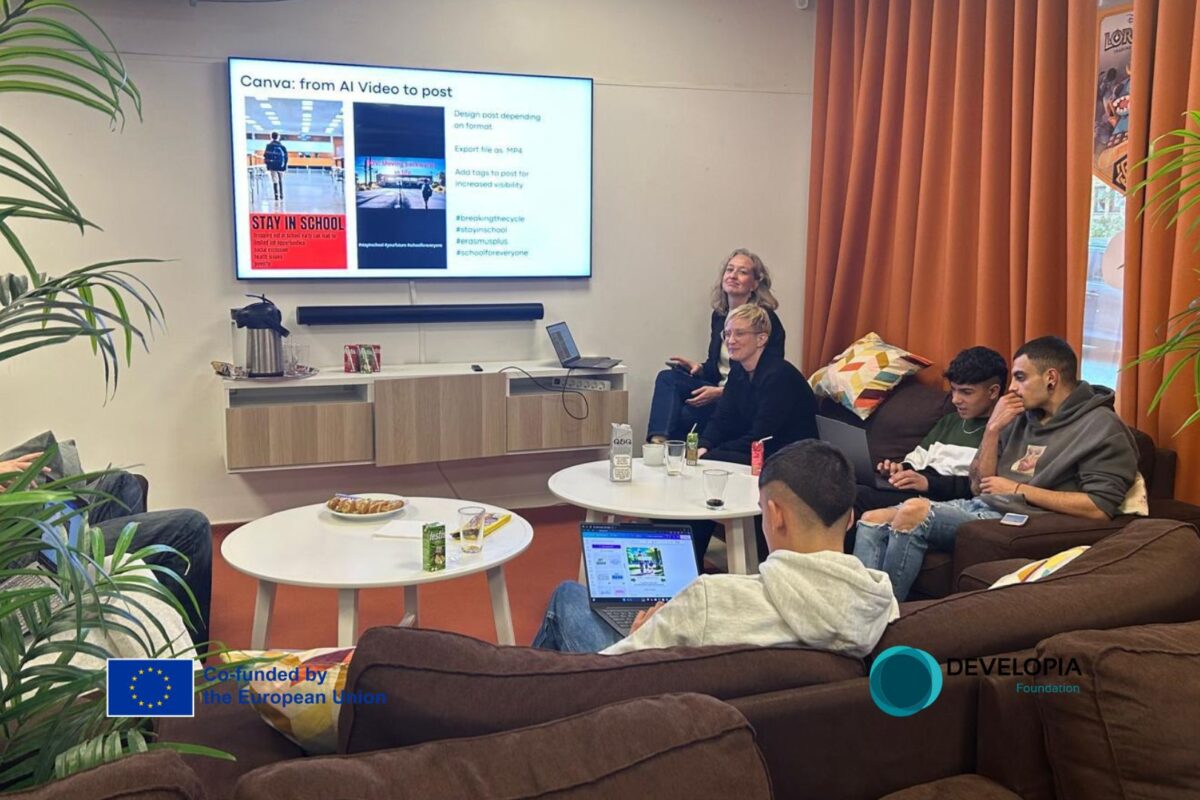
Breaking the Cycle: Empowering young people to overcome early school leaving

Early school leaving is a multifaceted problem with significant and long-lasting consequences. It deprives young people of their potential, restricts their future opportunities and impedes societal progress. Students who leave school early face greater challenges, such as unemployment, poverty and the risk of criminal activity. This phenomenon impacts not only the individuals involved, but also society as a whole, increasing pressure on public resources and reducing economic productivity.

The Breaking the Cycle project is a comprehensive initiative designed to address the root causes of early school leaving, such as poverty, family instability and academic difficulties. The goal is to create a supportive learning environment that empowers young people to stay in school and reach their full potential through strategies such as early intervention, mentoring and academic support. The project provides the resources necessary for students to succeed. Breaking the cycle of dropping out of school is an investment in the future of our youth and in a stronger, more equitable society.

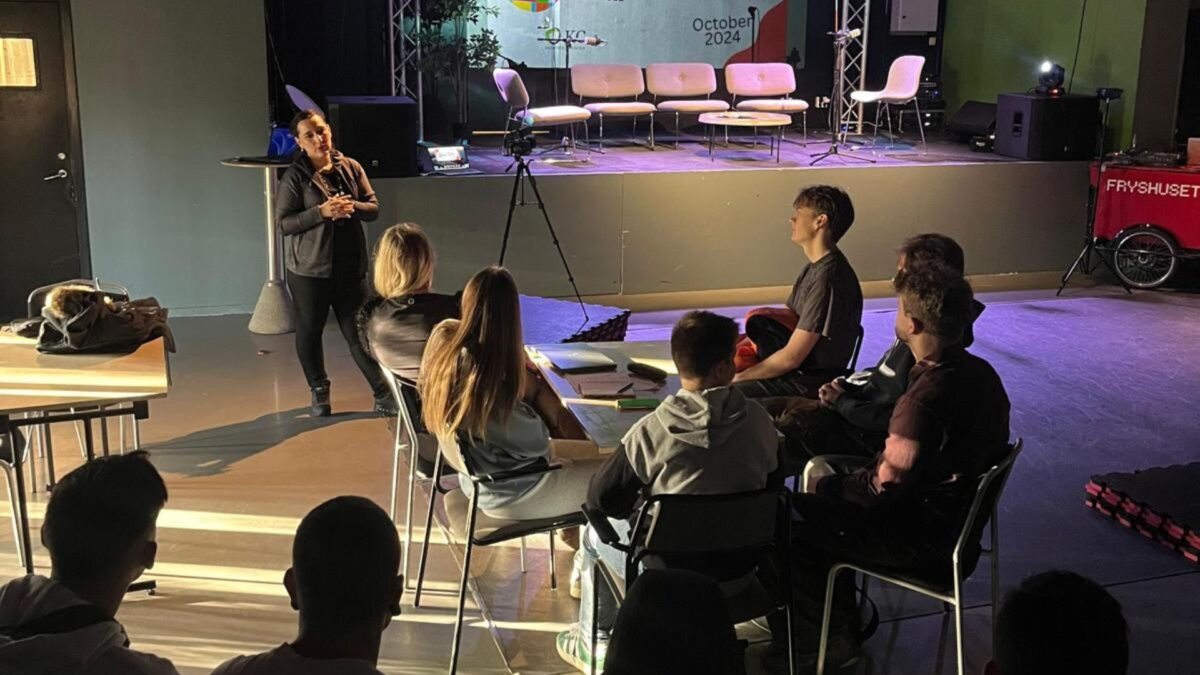
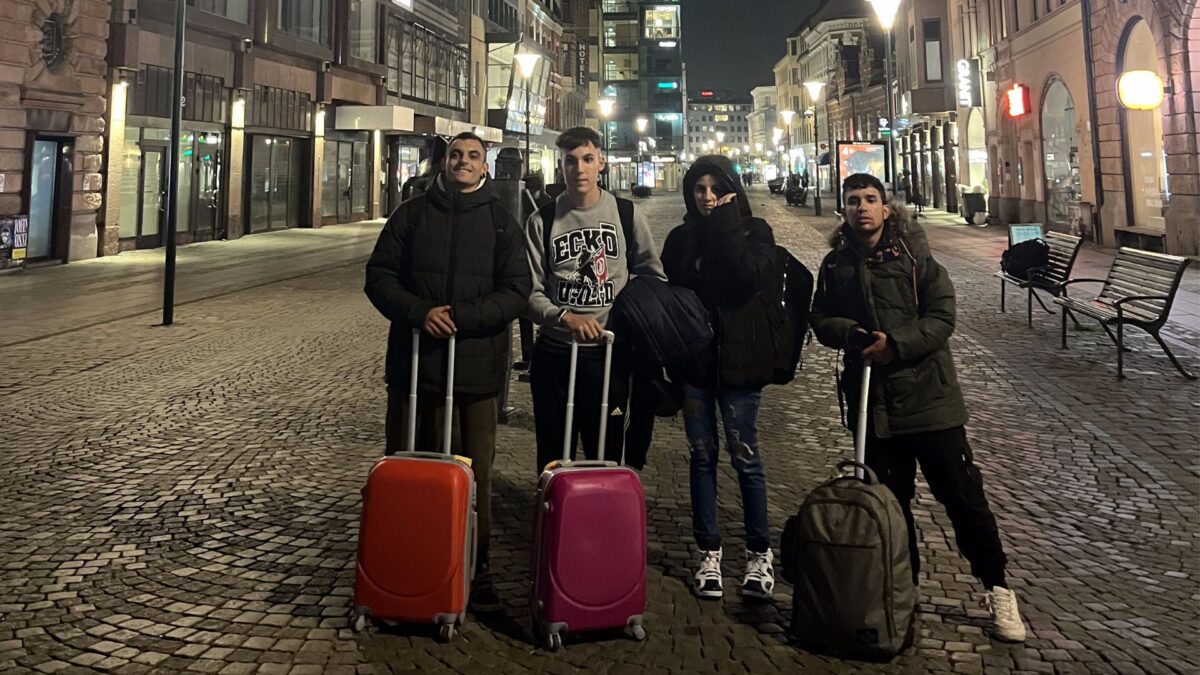
As part of this mission, the Breaking the Cycle project offers young people digital skills and fosters cultural exchange. In a recent initiative in Malmö, Sweden, young people from Spain, Greece and Sweden learned tools such as Canva and podcasting techniques, enabling them to express themselves creatively and effectively. Inspired by the story of a young Colombian dancer who overcame poverty and violence, participants reflected on the importance of a second chance and reinforced their interest in completing their studies. The experience culminated in the creation of a flash mob which they performed in Copenhagen.

By immersing themselves in a new culture and engaging with local communities, participants developed a global perspective and intercultural communication skills. This holistic approach empowers young people to become active and engaged citizens in the 21st century.

SCALE UP – THE FINAL EVENT IN MILAN

SCALE UP is a project whose goal is to help young students and graduates develop useful skills to improve their employability. During the 18 months of the project, the partners investigated the most sought-after skills and created online training activities and handbooks to share with their target group. The partners identified four skills: critical thinking, emotional intelligence, leadership, and digital skills.

On April 29, 2024, the partners organized an in-person training event with 28 young people. The goal of the event was to organize activities and games that could help the participants develop one of the four skills. After an initial ice-breaking activity and a presentation by Vicente Ferrero, the participants were divided into four groups, each one focused on one of the skills. One member from each partner led the activity corresponding to the module they had previously drafted.

The activities ranged from games developed to increase critical thinking skills to debates. For example, the activity developed by Developia concerned emotional intelligence, defined as “the ability to perceive, interpret, demonstrate, control, evaluate, and use emotions to communicate with and relate to others effectively and constructively” (Cherry, 2023). Naomi Nervo, the project manager responsible for SCALE UP, organized two activities to train emotional intelligence: first, the participants took part in a debate about greenwashing; then, they played a game where each person had to address the others depending on a label that only the others could see.

The common goal was to present the participants with interactive and fun ways to improve their interpersonal skills. The four skills — critical thinking, emotional intelligence, leadership, and digital skills — are not only useful for their professional lives, but also in their personal lives.

After the event, the partners took part in a meeting to discuss the future steps of the project and decide what needed to be done to end the project on time and achieve the established goals. The meeting was an occasion to create a strategy for the next two months to achieve the established goals of the project before its conclusion.

Overall, the final event and the following partners meeting signaled the final moments of a project that worked towards the enhanced of employability opportunities for young people. 

Community and sustainability in the rural world: Craft workshop

During the last few weeks, we have given creativity workshops with the inhabitants of three rural villages in the Comarca of Calatayud (Jaraba, Ibdes and Munégreba).

In collaboration with the local community, puppets have been created with flowerpots, fusing traditional craftsmanship with environmental innovation. These works are not only an expression of art, but also a statement of commitment to sustainability.

These dolls will now adorn the homes of neighbours, which as well as beautifying the village, are symbols of togetherness and belonging, reminding us of the importance of building a strong and united community.

We are deeply grateful for the great participation and success of these workshops and together, we are sowing seeds of change and cultivating a brighter and more sustainable future for our beloved rural areas.

New collaboration for the XS-Ability project

The Developia Foundation is thrilled to announce the new collaboration for the XS-Ability project. The project will be led by COMMISSARIAT A L’ENERGIE ATOMIQUE ET AUX ÉNERGIES. This innovative initiative is set to revolutionize the field of Dismantling & Decommissioning (D&D) with its cutting-edge robotic solutions, integrating a diverse range of sensors to address key challenges in the industry.

The XS-Ability project is poised to redefine the landscape of nuclear decommissioning focusing on precision, efficiency and cost-effectiveness. Bringing together a consortium of 8 partners spanning 7 EU countries, the project boasts a unique blend of expertise in nuclear instrumentation, robotics, and artificial intelligence (AI).

Anticipated to achieve eight Key Exploitable Results (KERs) at Technology Readiness Level 7 by 2027, the XS-Ability project is set to deliver a series of groundbreaking advancements. These include the development of an all-encompassing system equipped with state-of-the-art 3D radiological mapping, the implementation of data-driven management systems for robot fleets, and the creation of indoor unmanned vehicles featuring pinpoint localization, autonomous navigation, and advanced vision capabilities.

Moreover, the project aims to design resilient radiological measurement sensors, deploy AI-driven real-time decision-making algorithms tailored for D&D scenarios, enhance our understanding of robotic behavior in indoor environments, and establish comprehensive guidelines for data collection protocols and best practices.

With its ambitious goals and transformative potential, the XS-Ability project is poised to set a new standard for excellence in the field of nuclear decommissioning.

Stay tuned for more updates as this groundbreaking initiative unfolds!

Attention to all those interested in Sustainable Tourism and Entrepreneurship!

On Thursday 8 February DEVELOPIA FOUNDATION organised a dynamic panel discussion on the European project YOU SMILE (KA220 – Youth) with the aim of promoting entrepreneurship in sustainable tourism. The event brought together diverse participants committed to driving change in the tourism landscape.

The event began with an overview of the general objectives of the project and the plan for group discussions. The session was interactive and designed to help individuals, educators and organisations seeking to create micro and small enterprises in rural tourism services.

A highlight of the initiative is the development of an e-course, which incorporates instructional videos, TikTok content and informative podcasts. This comprehensive resource covers essential topics such as sustainable tourism practices, effective financial management and the principles of green entrepreneurship in rural areas.

The meeting was attended by experts representing the public and private sectors of the tourism industry, together with students interested in sustainable tourism. All actively participated in discussions, shared ideas and knowledge, fostering a spirit of collaboration for innovation and progress.

In addition, the YOU SMILE project focuses on educating about sustainable practices, finance and entrepreneurship, especially in the rural tourism sectors. By equipping young people with employability skills and entrepreneurial opportunities, the initiative aims to combat youth unemployment rates and cultivate a new generation of socially responsible entrepreneurs.

As the project progresses, the next phase will involve the development of a training plan based on identified needs and designed to meet specific requirements, bringing the initiative closer to its overall objectives of fostering entrepreneurship in sustainable tourism and driving positive socio-economic change.

New Venture focused on Wine Tourism

We are happy to introduce you to the EST project!

The EST project aims to connect different places for wine tourism and culture across borders, showing how it is done for EU countries. Its goal is to help local businesses, especially small ones, and bring new tech ideas to tourism and culture.

There will be four museums in Spain and France that work together through QR codes, using cool ideas like a special route to show the interesting history of wine. Doing activities, teaming up with others, and getting help from tech companies will help build the things the project has planned.

In pursuing these goals, it is expected that by the end of the project, results include creating museums to show project results and cultural ties, setting up a cross-border network for local economies and digital innovation, involving communities in events and activities, and completing planned infrastructure work with help from digital companies. These achievements aim to support sustainable tourism, boost local economies, and celebrate the rich cultural history of wine in the project regions.

In summary, the EST Project aims to connect wine regions across borders, setting an example for EU countries. It strives to support local businesses, especially small ones, and introduce tech innovations to tourism and culture. Four museums in Spain and France will collaborate through QR codes, using creative ideas like a special route to showcase the fascinating history of wine. Through activities, partnerships, and support from tech companies, the project aims to bring its plans to life, promoting sustainable tourism, boosting local economies, and celebrating the cultural heritage of wine in the regions.

More information on this new project will be published very soon!


Olvés, Terrer, Torrijo and Cervera de la Cañada learn how to promote their villages for tourism through Tik Tok

Residents of Torrijo and Cervera de la Cañada took part in an innovative training course whose main objective was to promote local tourism through creativity and technology. The Comarca Comunidad de Calatayud, in collaboration with Developia Foundation, organised these trainings also with groups of neighbours from Olvés and Terrer, as part of an initiative to promote visits to the villages and also to foster digital inclusion.

During the training, participants were guided in the creation of an attractive video on the popular social media platform, TikTok through aspects related to promoting tourism in their village. The final video will range from picturesque landscapes to historical sites, which capture the unique essence of their village in short and dynamic videos. The training also focused on teaching seniors how to use TikTok as a tool to exercise memory and acquire digital skills.

These events mark just the beginning of an ongoing initiative to strengthen local tourism and foster digital inclusion in the Comarca Comunidad de Calatayud.

Here are some examples of the videos made:

FOCUS GROUP PROJECT YOU SMILE

Date: Thursday, 16 November 2023

Place: Plaza José María Forqué 2-3, Zaragoza, Spain

In the framework of the European project Erasmus+ YOU SMILE, the primary focus group took place on the 16th of November at the office of the Developia Foundation, coordinator of the project. The session, lasting an hour and a half, adopted a hybrid format, with six online participants and seven on-location attendees, including experts from the public and private sectors in the tourism industry and students. Developia conducted the focus group activities utilizing the Mentimeter online platform, fostering dynamic discussions.

The project, “YOU SMILE” aims to empower less fortunate individuals, educators, organizations, and more in their pursuit of sustainable and financially stable micro and small entrepreneurship in rural tourism services. This initiative involves increasing the capacities of interested youth and young entrepreneurs in sustainable practices, finance, and entrepreneurship.

To kick-off the meeting the project manager of the Micol Petrone Project presented the project and the programme of the focus group. Then the participants went on to break the ice and introduce themselves. Following, a discussion session in which the participants were asked to answer some questions by immersing themselves in different scenarios. Participants responded actively by opening a debate on the best strategies to make the tourism sector more sustainable and attentive to both waste management and the conservation of local cultural and natural heritage. After having finished the introductory exercise to the meeting, the meeting followed with a brainstorming discussion in which participants shared their experiences in the sector and the main challenges they face in offering their tourism services. Lastly, in the last portion of the meeting the focus was put on gathering data on the skills and knowledge of the participants in relation to sustainability in the tourism sector.

The project aims to establish five tourist service “living labs” in partner countries for collaborative development of innovative ideas in sustainable tourism. It includes creating an e-course with videos, TikTok content, and podcasts covering sustainable tourism, financial management for small businesses, and green entrepreneurship in rural areas. A manual will guide self-learning based on the training materials. The project will have an open-access repository for project information, conduct two training sessions to test materials, and organize dissemination events to share results with a broader audience.

The project addresses various needs. It aims to tackle the lack of formal education and awareness in sustainable practices, finance, and entrepreneurship, especially in rural touristic services. Additionally, high youth unemployment rates, particularly in Spain, Greece, and Portugal, indicate the necessity to empower youth with employable skills and entrepreneurial opportunities to reduce unemployment rates. Moreover, in sustainable tourism, professionals need an understanding of sustainable practices to minimize negative impacts on the environment and communities. Another need is innovative learning approaches. The project seeks to introduce methods like video courses, podcasts, and living labs to engage and educate youth more effectively. Lastly, the project aims to socially include less fortunate individuals by providing opportunities for personal and professional growth.

Finally, the inaugural focus group session for the YOU SMILE project, led by the Project Manager, set the tone for an engaging and collaborative exploration of Sustainable Tourism concepts. The future of YOUSMILE is set to be bright and upcoming events and activities are deserving of anticipation

Keep an eye out for news about our upcoming activities!

Successful ‘NET REFUGEE’ meeting

We are pleased to say that the Productive TMP2 online meeting was a success. The event tackled guidelines, discussed the dissemination plan, and made progress on the website development. Please take note and mark your calendars for our upcoming meeting, where we anticipate sharing significant updates. Your attendance is valued as we look forward to presenting exciting developments.The main goal of the project is to promote inclusion of the youth with refugee and/or immigrant backgrounds while also supporting diversity in education, training, and self-employment. This project wants to provide young refugees and migrants with useful information, support, and entrepreneurial abilities to aid them overcome obstacles that prevent self-employment and to increase their chances to acquire a job and achieve a greater social economic inclusion.In agreement with the priority which aims to reduce the European unemployment rate of ‘the young’ through the provisions of necessary, support, and training to improve their entrepreneurial and soft skills needed to run one’s own business and acquire more knowledge about business culture and legal aspects related to their country of immigration. According to the priorities and general aims of the project specific objectives are therefor set:

  1. To ensure the financial stability of the young refugees and migrants by equipping them with the necessary knowledge about entrepreneurship, social support and equal opportunities.
  2. Gather knowledge they need to start a business and make it available to ‘the young’ of partner countries, including soft and hard skills, administrative skills and legal information related to their country of migration.
  3. In relation to social integration in the entrepreneurship sector, this project aims to enable participants to understand the business culture of the host country and to integrate into it by being faithful to their culture.
  4. Motivate and inspire young to become entrepreneurs and introducing them to the possibility of becoming self-employed and starting their own business as a concrete and feasible opportunity.

The NET REFUGEE project is founded on the principle of supporting self-employment among migrants, thus fostering intelligent, sustainable, and inclusive growth in alignment with the EU’s aspirations. This initiative is closely tied to the development of entrepreneurship, recognized as a crucial driver for economic growth, job creation, innovation, and productive efficiency.

Specifically, in the case of the NET REFUGEE project, the focus is on inclusive entrepreneurship, that aims to ensure that all people, regardless of their personal characteristics and backgrounds, have an equal opportunity to set up and run a business.